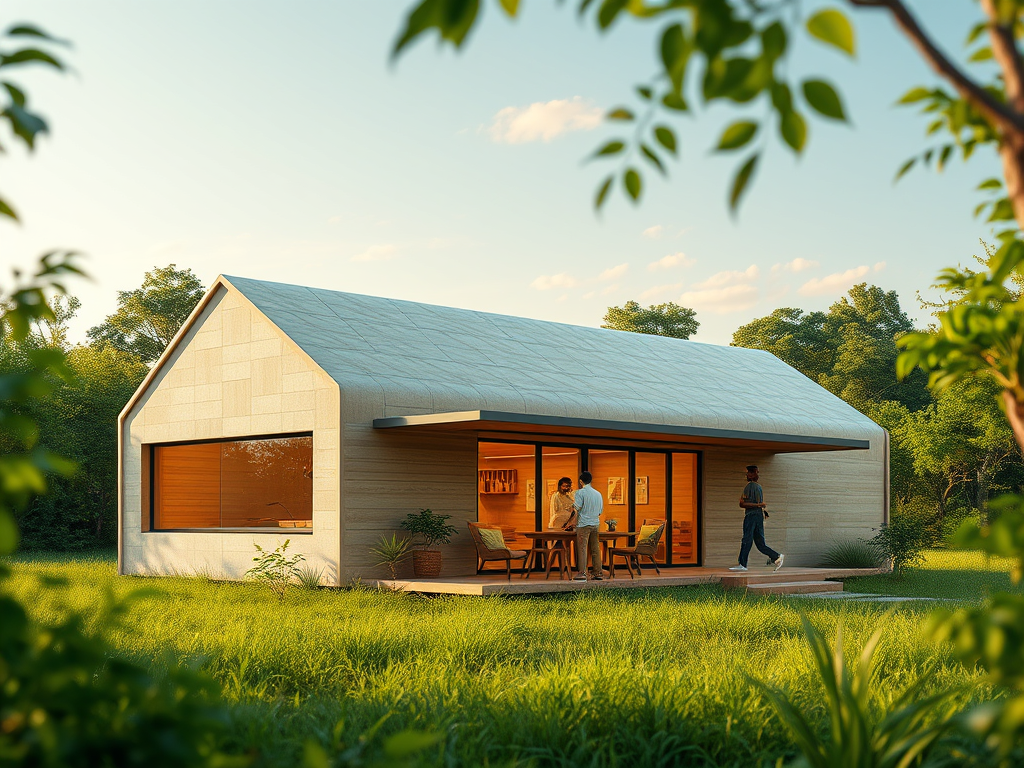
As the world grapples with rapid urbanisation and pressing environmental challenges, innovative solutions for housing are more crucial than ever. Lignik Homes, constructed from the world’s first biosynthetic wood made from CO2, represent a groundbreaking approach to sustainable living.
The Lignik Revolution
Lignik is a revolutionary material that is 100% recyclable and produced from carbon dioxide, making it an environmentally friendly alternative to traditional building materials. A single Lignik production refinery has the capacity to manufacture enough material to create over 20,000 prefabricated homes annually. These homes are designed to be low-cost and versatile, making them suitable for various applications, including hotels, holiday homes, military facilities, educational centres, and temporary accommodations in disaster-stricken regions.
Cost-Effective Housing Solutions
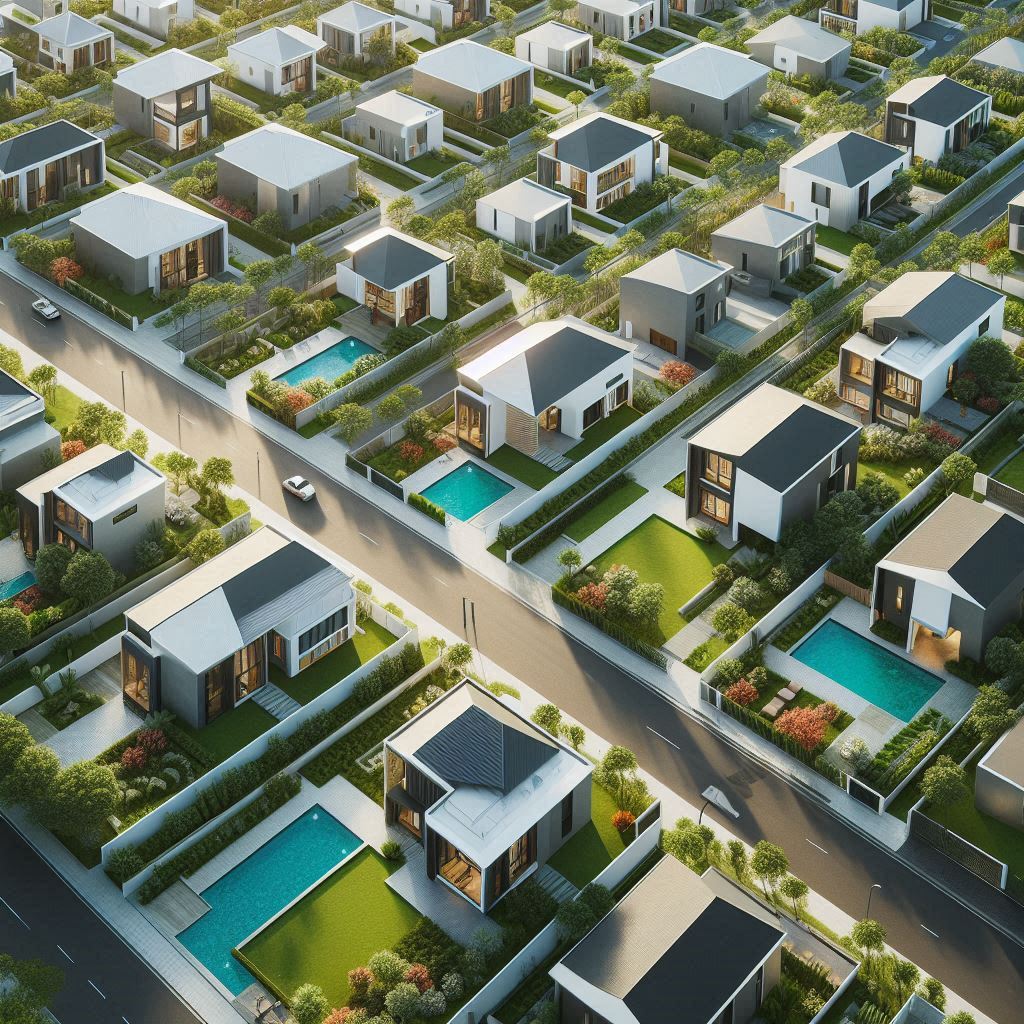
The affordability of Lignik Homes is one of their most significant advantages. Initial estimates suggest that a Lignik house with either a single bedroom or two small bedrooms could cost as little as $10,000, whereas a standard two-bedroom home might be priced around $25,000 (pre-COVID costing). This cost-effectiveness is achieved through 3D printing technology, which streamlines the construction process, reduces labor costs, and enables the construction of one house per day. By providing affordable housing options, Lignik Homes can help alleviate the housing crisis faced by many communities, particularly in developing nations.
Suitability for Disaster-Prone Areas
Lignik Homes are particularly well-suited for disaster-prone regions. Their lightweight structure means that they do not have heavy walls or ceilings that could collapse during an earthquake, significantly enhancing safety. The density of Lignik is comparable to that of wood, and its buoyancy allows a single wall or sheet to float in water. While the material is waterproof, ongoing research is focused on its resilience against flooding and water waves, ensuring that these homes can withstand various environmental challenges.
Environmental Benefits
Transitioning to Lignik Homes offers substantial environmental advantages. Traditional construction materials such as clay bricks, cement, and steel are among the highest contributors to carbon dioxide emissions. The extraction and processing of these materials often lead to severe environmental degradation, particularly in developing countries where hazardous brick kilns operate. For instance, in the Indian subcontinent alone, approximately 150,000 brick kilns produce billions of bricks annually, emitting up to 400 grams of CO2 per brick and contributing to social issues such as bonded labour.
Addressing Global Housing Demand
The global housing crisis is staggering, with an estimated need for over two billion new homes over the next 80 years, predominantly in developing countries. For example, Pakistan alone requires 15 million homes to address its current housing shortage. If these homes are constructed using traditional, polluting materials, efforts to combat climate change will be undermined.
Lignik Homes present a sustainable alternative that meets the urgent need for affordable housing while supporting climate change mitigation. By utilising Lignik, we can potentially remove 20 billion metric tonnes of CO2 from the atmosphere, contributing significantly to reversing climate change.
The Way Forward
Lignik Homes represent a forward-thinking solution to the dual challenges of housing shortages and environmental degradation. By harnessing the potential of biosynthetic wood, we can create safe, affordable, and sustainable homes that cater to the needs of diverse populations, particularly in developing regions and disaster-prone areas. As we strive for a more sustainable future, Lignik Homes offer a viable pathway towards achieving our housing goals while protecting the planet for future generations. Through innovation and commitment to sustainability, we can ensure that everyone has access to safe and environmentally friendly housing.
Also See
Adeerus Ghayan. “Orycycle.” Islamabad: Subagh (2018).
“Nureeva and Tangora” by Adeerus Ghayan.
“Lignik: A Solution to Housing Issue” by Gohar Ali Khan

 Adeerus Ghayan