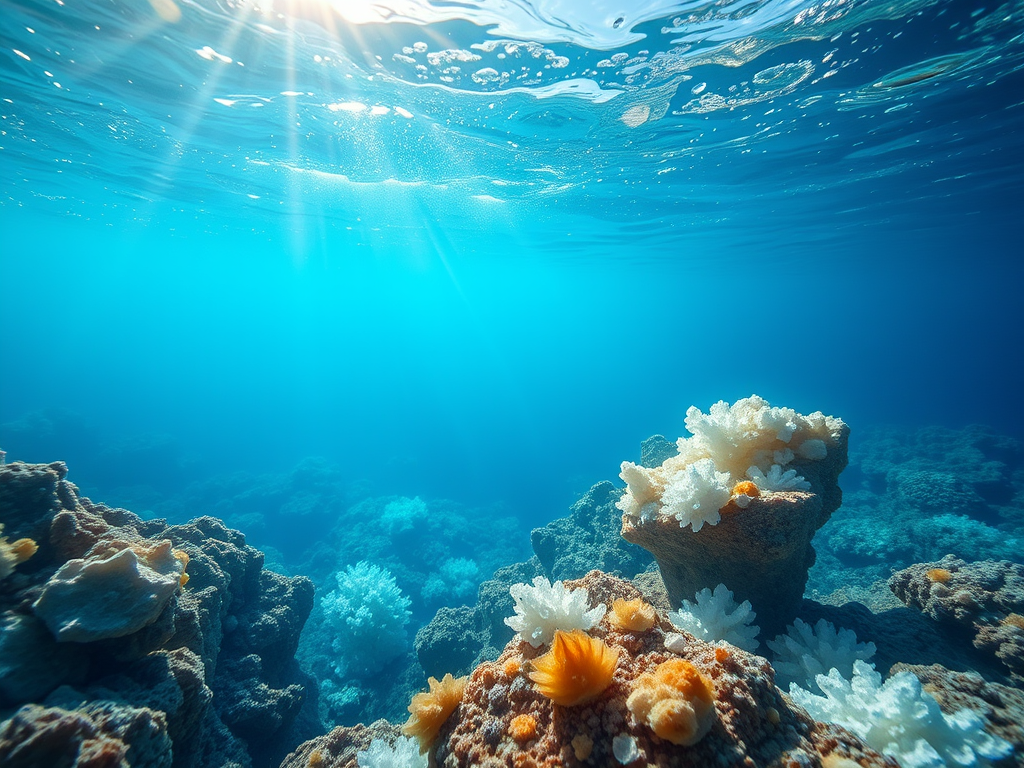
The concept of blue mining, which involves the extraction of resources from ocean water and brine, is gaining momentum as a sustainable alternative to traditional terrestrial mining. Historically, seawater has been a source of essential minerals such as sea salt, magnesium, and bromine, with potassium often recovered from the residual bittern left after salt precipitation. As the demand for sustainable resources intensifies, the oceans are increasingly viewed as an inexhaustible reservoir of materials, ripe for exploration and extraction.
Historical Context and Current Practices
Seawater has been utilised for its mineral content since prehistoric times, primarily for the production of salt. In recent decades, the extraction of magnesium and bromine has become more prevalent, driven by industrial demand. The traditional method of extracting these minerals involves evaporation techniques, where seawater is concentrated in large ponds, allowing for the crystallisation of salts. However, this method has limitations, particularly in terms of efficiency and environmental impact.
Traditional Extraction Methods
- Evaporation Ponds: Large shallow ponds where seawater is left to evaporate, leaving behind crystallised salts.
- Chemical Precipitation: Adding chemicals to seawater to precipitate specific minerals.
- Solar Evaporation: Using solar energy to accelerate the evaporation process.
While these methods have been effective historically, they are often energy-intensive and can have significant environmental footprints.
The Potential of Ocean Resources
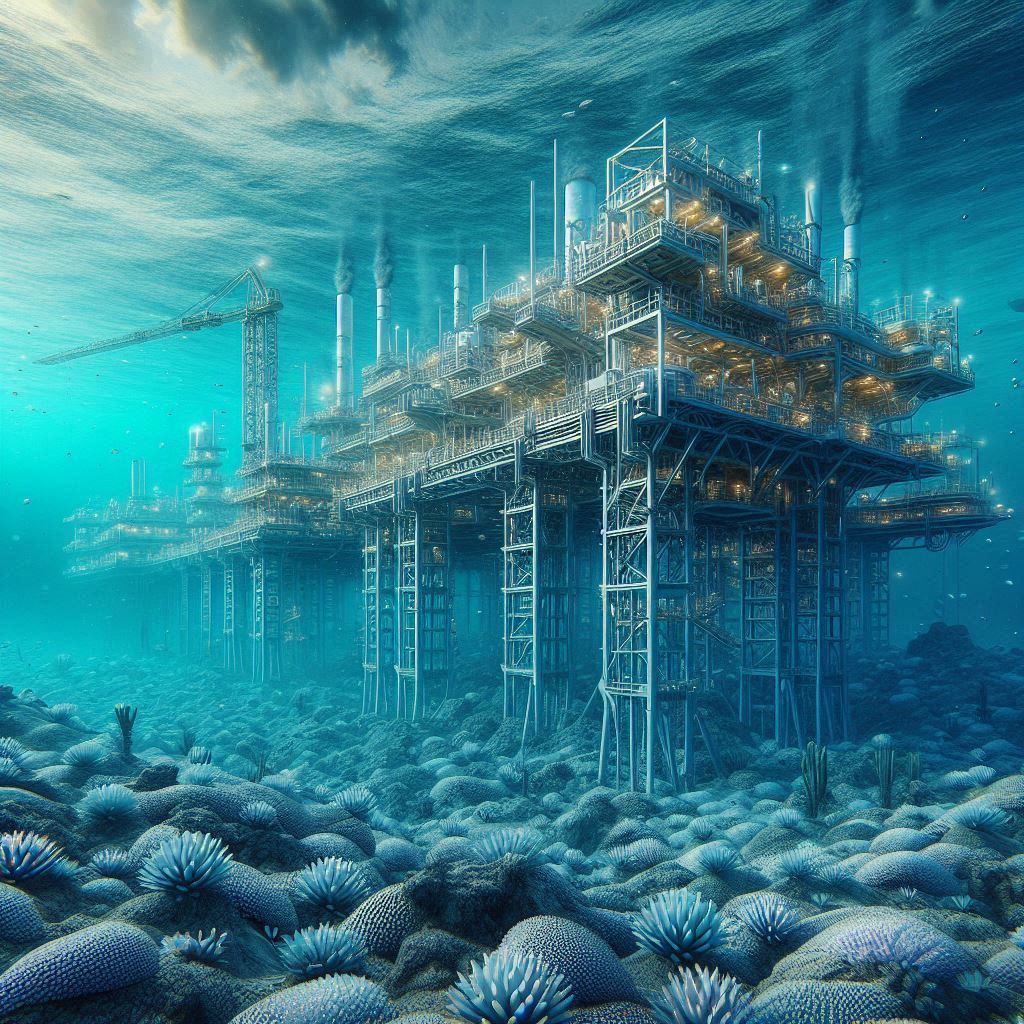
The oceans cover over 70% of the Earth’s surface and contain vast quantities of dissolved minerals. Estimates suggest that seawater contains approximately 3.5% salt, translating to significant quantities of sodium, potassium, magnesium, and other trace elements. As the demand for these resources continues to rise, particularly in the context of renewable energy technologies and sustainable agriculture, the need for innovative extraction methods becomes increasingly urgent.
Key minerals that can be extracted from seawater are:
- Sodium Chloride (NaCl): Common table salt, used in various industrial processes.
- Magnesium (Mg): Essential for manufacturing lightweight alloys and as a reducing agent in the production of titanium.
- Bromine (Br): Used in flame retardants, drilling fluids, and pharmaceuticals.
- Potassium (K): Vital for fertilisers and various industrial applications.
- Lithium: Essential for batteries and renewable energy storage.
- Uranium: Used as fuel in nuclear power plants.
- Rare Earth Elements (REEs): Crucial for electronics, magnets, and various high-tech applications.
- Calcium: Important for construction materials and industrial processes.
- Strontium: Used in electronics and pyrotechnics.
- Boron: Utilised in glass and ceramics manufacturing.
- Silicon: Key for electronics and solar panels.
- Iodine: Used in medical applications and disinfectants.
- Rubidium: Applied in electronics and specialty glasses.
- Molybdenum: Important for steel alloys and catalysts.
Technological Advancements in Oceanwater Mining
To harness the potential of oceanwater effectively, the development of cost-competitive technologies for oceanwater mining is essential. Current methods of extraction are often energy-intensive and economically unviable compared to traditional mining practices. Therefore, research and innovation are crucial in creating more efficient and environmentally friendly extraction techniques.
Recent advancements in technology have opened new avenues for blue mining. For instance, membrane technologies such as reverse osmosis and electrodialysis are being explored for their ability to selectively extract valuable minerals from seawater. These methods offer the potential for lower energy consumption and reduced environmental impact compared to conventional evaporation techniques.
- Reverse Osmosis: A process where seawater is forced through a semi-permeable membrane, separating salts and other minerals from the water.
- Electrodialysis: Uses electrical potential to drive ions through selective membranes, concentrating minerals on one side.
Moreover, the integration of automation and artificial intelligence in ocean mining operations can enhance efficiency and reduce costs. Autonomous underwater vehicles (AUVs) equipped with advanced sensors can conduct real-time assessments of mineral concentrations in seawater, allowing for targeted extraction efforts.
Environmental Considerations
While the potential for blue mining is significant, it is imperative to approach this endeavour with caution. The extraction of resources from the ocean must be balanced with the need to protect marine ecosystems. Over-extraction and pollution can have detrimental effects on ocean health, impacting biodiversity and the livelihoods of communities dependent on marine resources.
Potential environmental impacts are:
- Habitat Disruption: Mining activities can disturb marine habitats, affecting the flora and fauna.
- Pollution: Chemical spills and waste discharge can contaminate seawater, harming marine life.
- Over-Extraction: Unsustainable extraction rates can deplete mineral resources and disrupt ecological balance.
To mitigate environmental risks, sustainable practices must be integrated into blue mining operations. This includes conducting thorough environmental impact assessments before commencing extraction activities and implementing measures to minimise ecological disruption. Additionally, the development of circular economy principles within the blue economy can promote the recycling and reuse of materials, further reducing the need for raw extraction.
Strategies for sustainable blue mining include:
- Environmental Impact Assessments (EIAs): Comprehensive studies to understand the potential environmental consequences of mining activities.
- Eco-Friendly Technologies: Adoption of technologies that minimise environmental footprints.
- Circular Economy: Emphasising the recycling and reuse of extracted materials to reduce the need for continuous raw extraction.
Way Forward
Blue mining represents a promising frontier in the quest for sustainable resource extraction. By leveraging the vast mineral wealth of the oceans, we can reduce our reliance on terrestrial mining and its associated environmental impacts. However, it is crucial to balance this potential with responsible practices that protect marine ecosystems and promote sustainability. Through innovation and a commitment to environmental stewardship, blue mining can play a pivotal role in meeting the world’s growing resource demands while safeguarding the health of our oceans.
To Cite: Adeerus Ghayan. “Orycycle.” Islamabad: Subagh (2018).
The entire article is taken from Adeerus Ghayan’s book Orycycle.
Amazon Link: https://www.amazon.com/dp/B07MDS544V

 Adeerus Ghayan