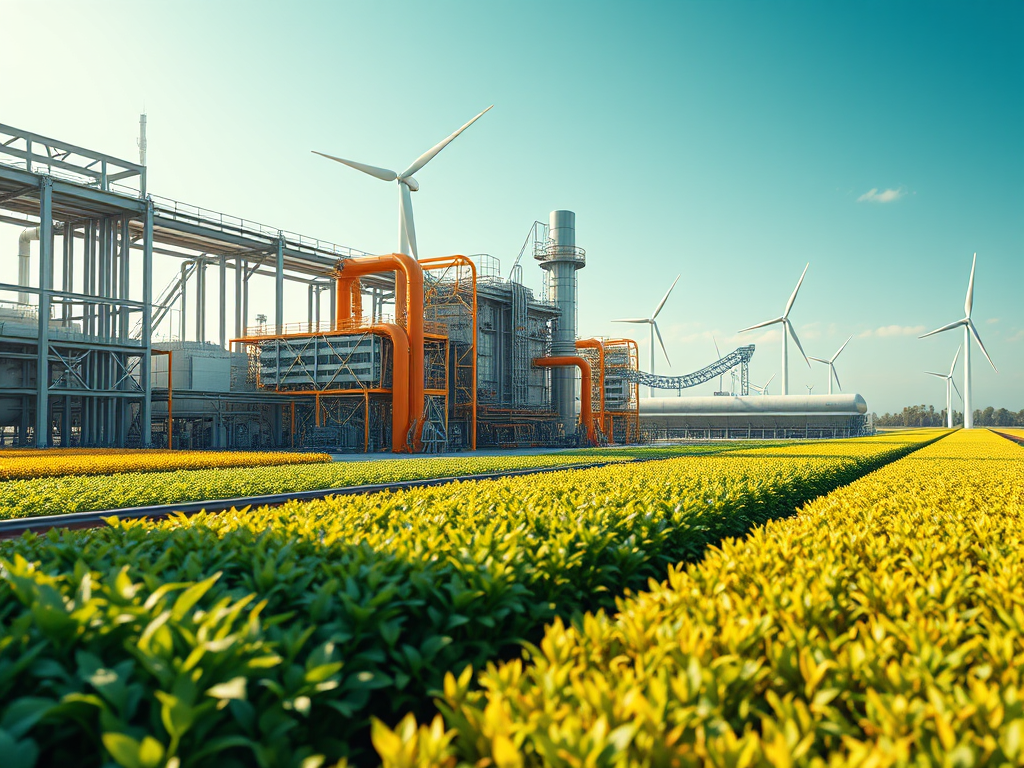
Adopting green technologies for renewable fuels and chemicals can transform today’s challenging energy landscape into an advantage for all humanity by bypassing outdated fossil fuel infrastructures and leapfrogging into a sustainable future.
Unlike traditional petrochemical industries that have long dominated developed markets, many regions of the world now have the chance to sidestep legacy systems entirely. Much like mobile phone technology revolutionised communication by bypassing established landlines, emerging economies and even established players can seize this moment to implement advanced green technologies for renewable fuels and chemicals.
Renewable fuels and chemicals are produced by transforming crops, waste, air, and water into a diverse array of valuable products, including oils, chemicals, and fertilisers. While bioethanol plants once represented the first generation of these technologies, modern advancements have expanded the scope to include second- and third-generation biofuels derived from crop residues and algae, respectively. Today’s facilities are evolving to deliver key outputs—such as ammonia, methanol, aviation fuel, diesel, and even plastics—on scales that are not only economically viable but also environmentally groundbreaking.
Pioneering advancements are exploring the production of fuels, chemicals, and plastics from carbon dioxide through the use of microbes or catalysts, offering the dual benefit of mitigating and potentially reversing climate change. These groundbreaking innovations highlight the pivotal role of carbon dioxide utilisation technologies in reducing greenhouse gas concentrations and fostering climate stability.
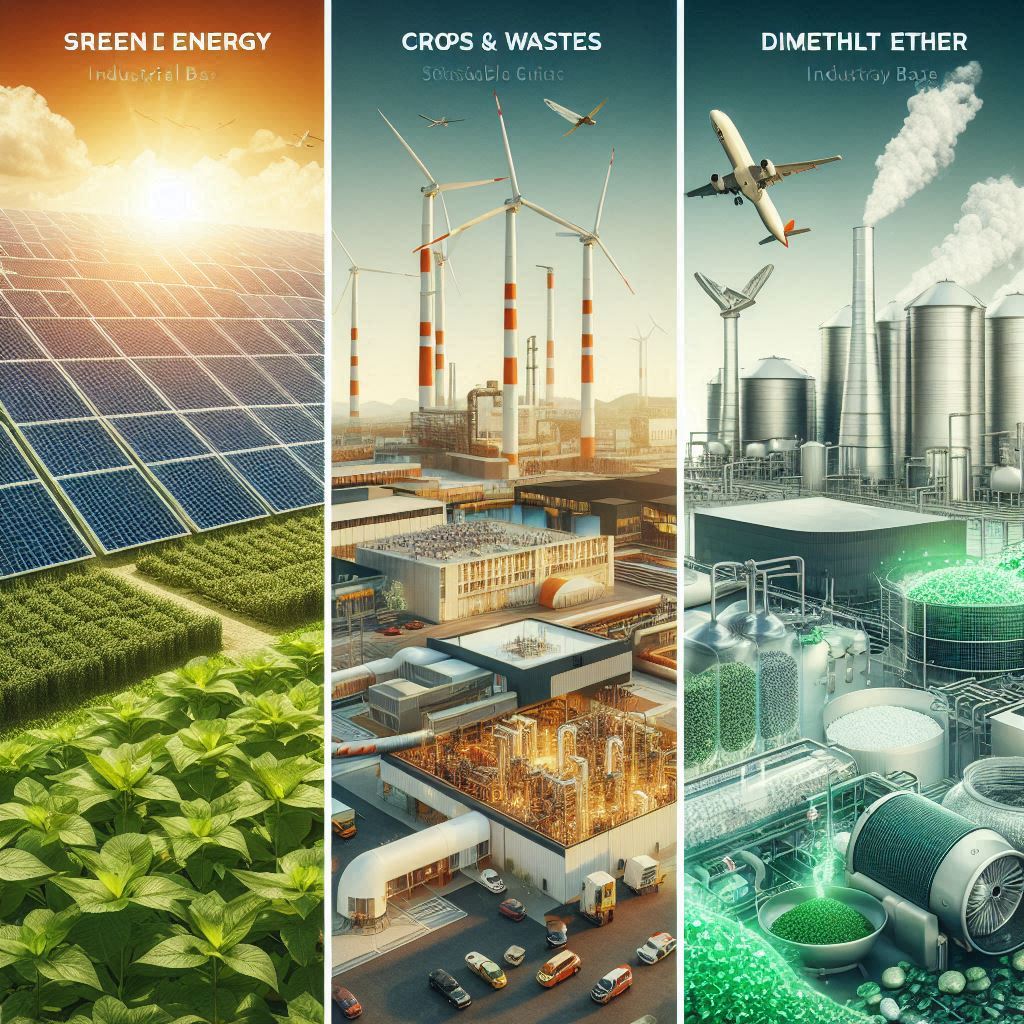
The potential applications of renewable feedstocks for fuels and chemicals are immense. For instance, sustainable aviation fuel (SAF) production utilises water and agricultural feedstocks—whether from crops or crop residues—to ensure consistent and reliable outputs. Similarly, green ammonia production harnesses the simplicity of water and air as raw materials, leveraging renewable energy sources such as solar, wind, or hydropower, thereby achieving a zero-carbon footprint.
Scaling these technologies will require tailored strategies. While green ammonia and sustainable aviation fuel (SAF) plants are set to deliver outputs on a million-tonne scale, emerging initiatives like green plastics currently operate at smaller, experimental capacities. However, they hold significant potential for commercial scalability as ongoing research and development advance.
At the heart of this global transition lies the need to tackle critical challenges, including the manufacturing of advanced machinery and the development of a skilled workforce. In numerous regions, a notable gap persists in both the production capabilities for sophisticated refinery equipment and the technical proficiency required to operate cutting-edge facilities. Addressing these gaps necessitates international partnerships, technology transfers, and collaborative research initiatives. Leading innovation hubs in Europe, China, and North America are already at the forefront of energy advancements. Strengthening ties with these regions is essential to accelerating the worldwide adoption of technologies for renewable fuels, chemicals, and plastics.
Academic institutions across the globe play a pivotal role in addressing the demands of this rapidly advancing sector. By modernising curricula and implementing dynamic training programs, they can equip the next generation of professionals with the skills required to meet emerging challenges. Furthermore, by cultivating a strong national talent pool and forging impactful research collaborations that span borders, nations not only strengthen their workforce but also contribute to a global reservoir of knowledge and technological innovation.
Green projects are increasingly benefiting from favourable financial conditions compared to traditional fossil fuel ventures. This surge in global interest is driven by progressive investment trends, governmental incentives, private sector commitments, green bonds, international grants, and carbon credits. Together, these elements create a robust financial ecosystem that motivates both innovators and policymakers, facilitating a smoother transition to resilient and environmentally sustainable energy systems on a global scale.
Successfully navigating this transformation calls for the establishment of dedicated entities—autonomous yet accountable—by governments and international organisations to oversee the development of infrastructure for renewable fuels, chemicals, and plastics production. These specialised bodies would be tasked with formulating comprehensive, long-term strategic roadmaps and ensuring seamless coordination among diverse stakeholders. Such unified efforts hold the potential to usher in a new era of energy security, robust economic growth centred on green jobs, and exceptional environmental stewardship.
In conclusion, the world stands on the cusp of a renewable energy revolution, reminiscent of the transformative telecom boom of previous decades. By leveraging the vast potential of renewables, nations can not only establish sustainable and secure energy systems but also play a crucial role in advancing environmental preservation, economic diversification, and global innovation. The years ahead are bound to unveil groundbreaking advancements and opportunities, making this a pivotal moment to invest in technologies that promise a cleaner, healthier, and more prosperous future for all.
Also See
Biogas Anaerobic Digestion: Processes, Technologies, and Industrial Applications
Technological Evolution of Bioethanol from First to Third Generation

 Adeerus Ghayan