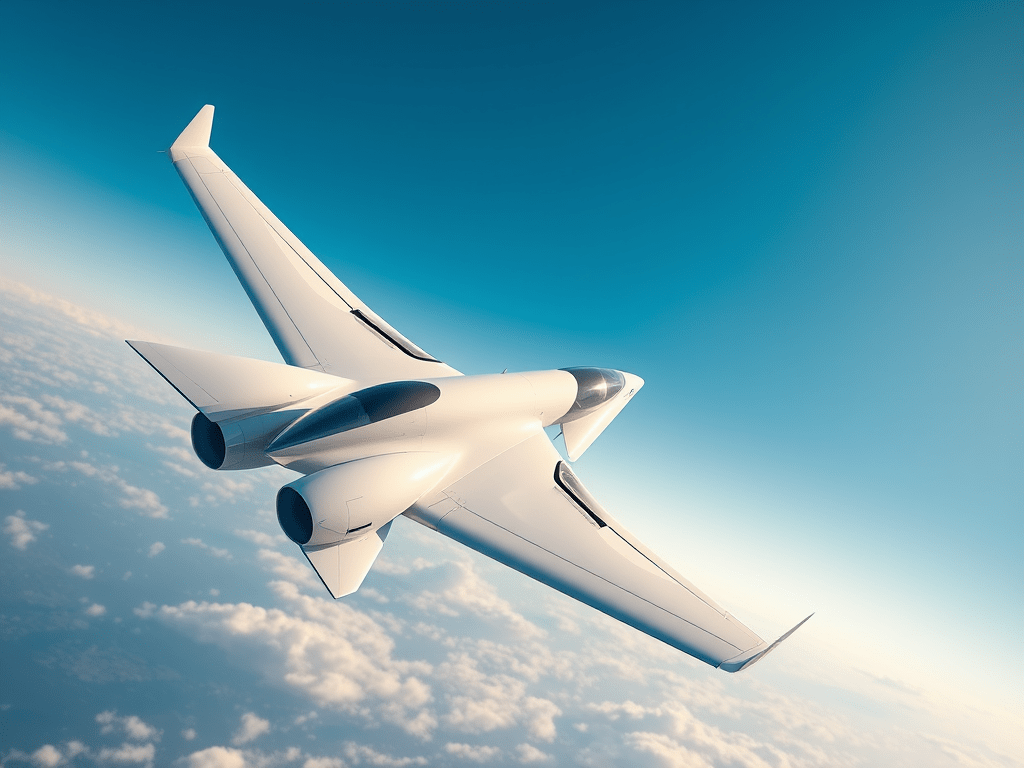
Advancements in material science have long driven the evolution of aircraft. Once considered secondary, polymers and composite matrices are now fundamental to the design and manufacturing of modern aircraft, drones, and satellites.
As aerospace technology progresses, the limitations of traditional metals and alloys are becoming increasingly clear. These materials struggle to meet the demands of next-generation aircraft, unmanned aerial vehicles (UAVs), satellites and drones, reinforcing the need for a transition to organic polymers and composite materials.
Offering significant weight reductions, enhanced durability, and adaptability to extreme operational conditions, these advanced materials are revolutionizing aerospace engineering. Their additional benefits—lower costs, improved energy efficiency, environmental compliance, and accelerated manufacturing—position them as essential elements in shaping the future of flight.
Source: https://www.thenews.com.pk/print/1314259-aerospace-leap
Also See
Sustainable Aviation Fuel: Bio Jet Fuel & CO₂ Use Innovations Solving the Food vs Fuel Dilemma

 Adeerus Ghayan