Category: Articles
-
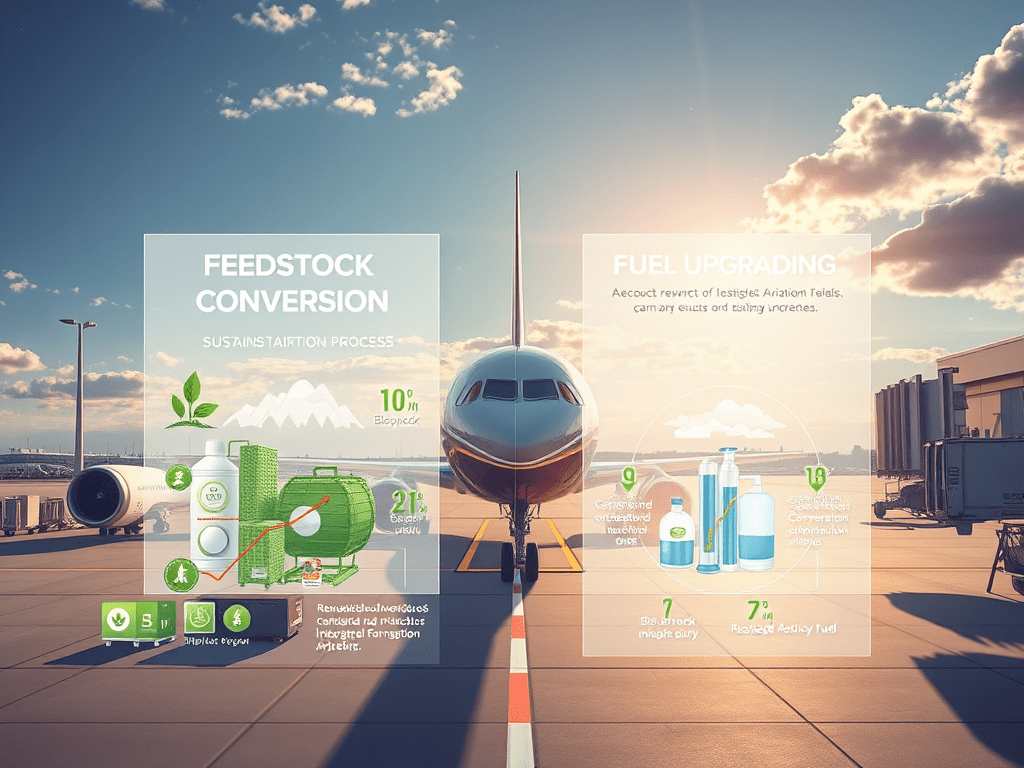
Sustainable Aviation Fuel (SAF) from Biowaste and CO₂ Solving the Food vs Fuel Dilemma
Aviation is one of the most challenging sectors to decarbonise—and one of the most urgent. With global air travel consuming nearly 300 million metric tonnes of fuel annually and contributing roughly 2.5% of global CO₂ emissions, the need for climate-conscious alternatives is pressing. Unlike road or rail transport, where electrification is increasingly viable, jetliners cannot…
-

Propelling the Aerospace Industry into the Future with Biocomposite Innovations
1. Introduction The evolution of aerospace platforms over the past century has been driven by conventional metals, valued for their strength and ductility. However, as modern flight environments impose increasingly rigorous mechanical, thermal, and aerodynamic demands, the limitations of traditional alloys have become increasingly evident. Furthermore, the entire lifecycle—from mineral extraction to material processing and…
-

Aerospace Leap
Advancements in material science have long driven the evolution of aircraft. Once considered secondary, polymers and composite matrices are now fundamental to the design and manufacturing of modern aircraft, drones, and satellites. As aerospace technology progresses, the limitations of traditional metals and alloys are becoming increasingly clear. These materials struggle to meet the demands of…
-

Hexa Framework for Advancing a Linear Economy to an Orycycle Economy
In an era marked by environmental urgency and mounting socio-economic pressures, the need for transformative change in linear industrial and energy systems has never been more acute. As a result, transitioning from a linear to a circular economy has become increasingly imperative. Traditional linear economic models—characterized by a “take-make-forsake” approach—have long generated short-term economic benefits…
-

Technological Evolution of Bioethanol from First to Third Generation
The global demand for sustainable, low-carbon energy sources has never been more critical. The traditional reliance on fossil fuels—with all its associated environmental ramifications—has spurred intensive research into renewable alternatives, positioning bioethanol as a promising candidate in the renewable energy portfolio. As the biofuel expert community has long debated, the evolution of bioethanol production is…
-
CO2 to Jet Fuel: Our SAF Moment
Sustainable aviation fuel (SAF) is revolutionizing air travel by providing a viable pathway for decarbonization amid growing climate concerns. Unlike conventional jet fuel, SAF is derived from renewable resources such as used cooking oil, agricultural residues, forestry by-products, and municipal waste, significantly reducing greenhouse gas emissions. Its production involves a two-step process: converting feedstock into…
-
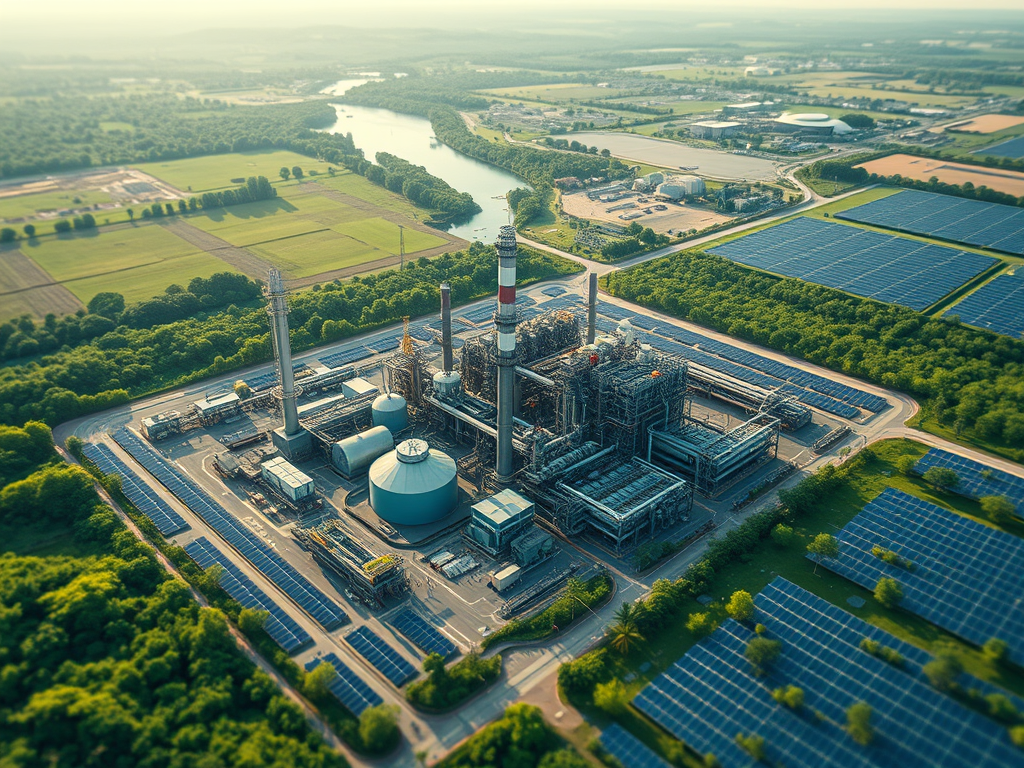
Going for Green Refining Technology
The global oil and chemical industries face significant challenges due to rising imports and the shift toward sustainable fuels, yet these challenges also present opportunities for strategic growth. Countries can capitalize on this transition by developing green refineries, which use renewable energy to process organic materials into oils, chemicals, and fertilizers. This approach not only…
-

Mining Lunar Helium-3 to Power Earth’s Fusion Energy Future
Modern society faces an escalating demand for energy, and traditional energy sources are increasingly fraught with environmental and economic challenges. Nuclear fusion, the process that powers stars, offers the potential for a safe, virtually boundless, and clean energy source by fusing light atomic nuclei into heavier ones. Among the candidate fuels, helium-3 stands out due…
-
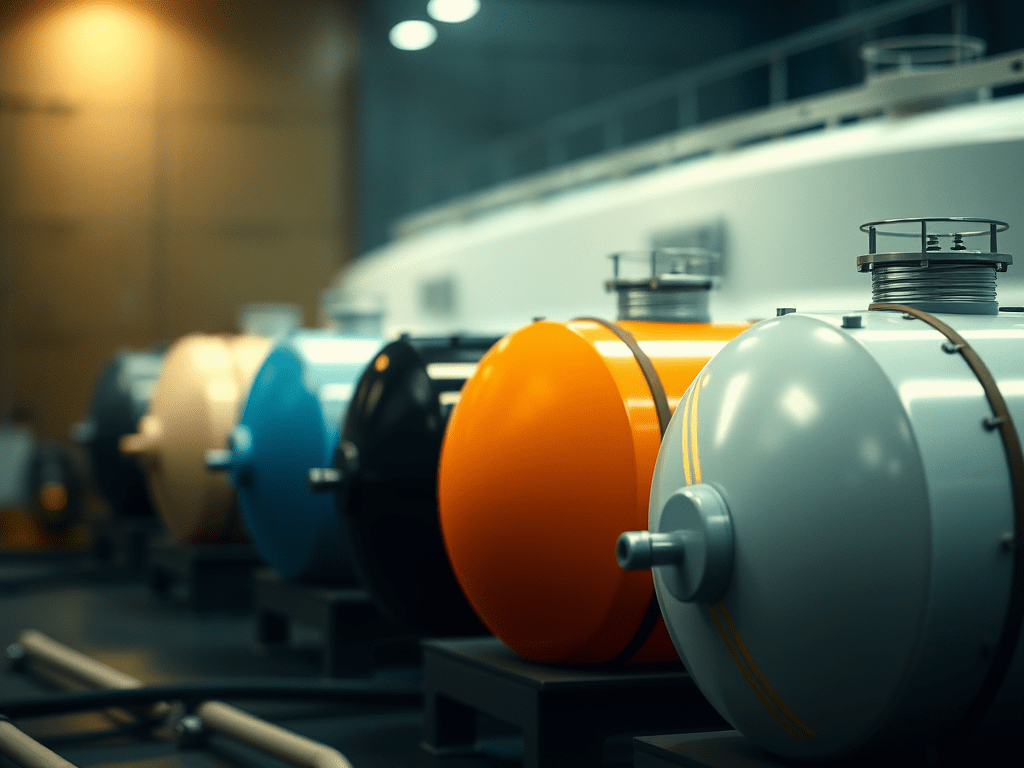
Evolution of Hydrogen Storage Tank Technologies from Type I to Type V Systems
1. Introduction Hydrogen has emerged as a promising energy carrier that could significantly reduce greenhouse gas emissions when paired with fuel-cell technologies. However, the challenge of safely storing hydrogen—an extraordinarily low-density gas—at high pressures has driven substantial research into tank design and materials engineering. In this context, hydrogen storage tanks are classified into five types:…
-

Next-Generation Engineering Polymers and Composites Reshaping the Future of Technology
Engineering polymers and composite constitute a vibrant class of materials formed by integrating a polymer matrix with reinforcements—typically fibers, nanoparticles, or other additives—to yield synergistic properties. This fusion allows engineers and scientists to tailor materials at the molecular level, achieving exceptional performance in strength, durability, and thermal stability while maintaining lightweight characteristics. The rising demand…
-

Technology-Driven Solutions to Housing Shortages and Challenges
In today’s rapidly evolving urban landscape, one of the most pressing challenges is providing affordable, sustainable, and resilient housing for an ever-growing population. Traditional construction methods, often burdened by inefficiencies, rising costs, and lengthy timelines, are being outpaced by revolutionary technological advancements that promise to reshape the way we build and live. Emerging innovations—including prefabricated…
-

Building Sustainable Cities with Cutting-Edge Prefabricated Technologies
In an era where technological evolution and sustainability transcend traditional boundaries, prefabricated (prefab) construction stands out as a transformative force in the building industry. By shifting a substantial portion of building work from chaotic, on-site environments to controlled factory settings, prefabrication not only enhances quality control and minimizes waste but also accelerates project timelines—ushering in…
 Adeerus Ghayan